
Microplastics: The invisible enemy in your home
Share
Think you live a plastic-free life? A closer look at your daily routine might surprise you. Microplastics are everywhere: in the air, in the water, and even in your laundry detergent. This guide shows you what microplastics really are, how they are formed, and, most importantly, how you can protect yourself and the environment.
First, let's clarify the terminology: Microplastics refers to plastic particles smaller than five millimeters. These tiny particles are often invisible to the naked eye, yet their impact is enormous. A distinction is made between two types:
Primary microplastics are deliberately manufactured in this size, for example for cosmetic products, toothpastes or as additives in detergents.
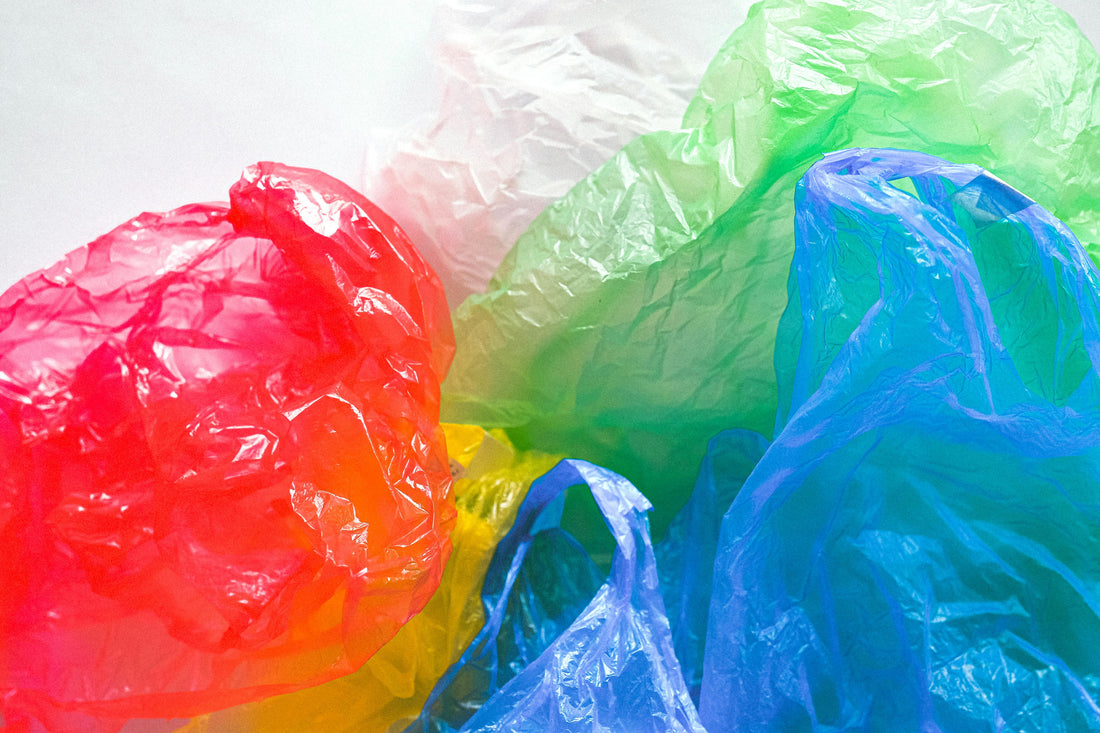
Secondary microplastics are created by the breakdown of larger plastic items. UV radiation, abrasion, and weathering cause plastic bottles, bags, or car tires to slowly break down into microparticles.
The scale is alarming: Between 1.8 and 5 million tons of microplastics end up in the environment worldwide every year. In Germany alone, up to 300,000 tons are released annually. Around half of this goes directly into the oceans and, unfortunately, far too often ends up back in our food.
Where does microplastic occur and why?
Microplastics are now ubiquitous.
Your drinking water: Both tap water and bottled water contain microplastics. Studies show that we ingest several grams of it per week.
In food: Sea salt, honey, beer, and even fruits and vegetables can contain microplastics. Seafood is particularly affected, as it filters the particles directly from the water.
In the air: Microplastics float in the atmosphere and can be transported over great distances. They have even been detected in remote mountain regions and the Arctic.
In cosmetic products: Some scrubs, toothpastes and make-up contain microplastics as abrasives or fillers.
In textiles: Some synthetic fabrics, such as polyester or nylon, lose thousands of tiny fibers with every wash, which end up in the wastewater.
In detergents: Some detergents contain microplastics as fillers, binders, or to improve certain properties.
How can you protect yourself from microplastics?
Unfortunately, it's impossible to completely avoid microplastics, but you can significantly reduce your exposure:
While drinking
- Use glass bottles instead of plastic bottles.
- Use a water filter for tap water.
- Avoid using hot water from plastic containers.
Regarding food
- Choose sea salt from less polluted areas.
- Reduce your consumption of seafood from heavily polluted waters.
- Buy loose food instead of packaged products.
- Use glass containers for storage.
In cosmetics
- Look for cosmetics and personal care products that are free of microplastics.
- Use apps like "CodeCheck" or "ToxFox" to scan ingredients.
- Choose solid soaps instead of similar liquid products.
In the household
- Ventilate regularly to reduce microplastics from the indoor air.
- Use a vacuum cleaner with a HEPA filter.
- Wipe with a damp cloth more often, instead of just vacuuming.
How do you avoid causing microplastic pollution yourself?
You can actively contribute to reducing the amount of microplastics entering the environment.
While shopping
- Choose products with little or no plastic packaging.
- Use reusable containers and bags.
- Buy clothes made from natural fibers such as cotton, linen, or wool.
Textile care
- Wash synthetic clothing less frequently and at lower temperatures.
- Use laundry bags or balls that trap microfibers.
- Dry clothes in the air instead of using a tumble dryer.
In everyday life
- Dispose of plastic items properly through the recycling system.
- Use products for as long as possible.
- Repair broken items instead of throwing them away.
Why is microplastic found in some detergents?
The answer is surprisingly simple: It makes the products cheaper and seemingly better. Microplastics in detergents serve various purposes:
As a filler: Polymers extend the detergent and reduce production costs.
As binding agents: They hold the various ingredients together and ensure the correct consistency.
For improved properties: Microplastics can prevent dirt from settling on the laundry again or ensure a "softer" feel to the textiles.
In fragrance capsules: Some detergents use tiny plastic capsules filled with fragrances that are designed to release them slowly.
An Ökotest investigation of 300 detergents found microplastics in many of the products. Liquid detergents and fabric softeners are particularly affected. The problem: These particles are so small that wastewater treatment plants cannot filter them out. They enter the environment directly with the wastewater. However, the EU has at least banned microbeads in 2023. Furthermore, a transition period until 2028 exists for some types of microplastics in detergents.
Why should you use microplastic-free laundry detergents?
Switching to microplastic-free detergents offers several advantages for you and the environment:
For the environment
- You reduce the pollution of water and soil.
- Less microplastic enters the food chain.
- You protect marine life and ecosystems.
For your health
- Fewer chemicals and plastics on your skin.
- Lower risk of allergies and skin irritations.
- Reduced exposure to potentially harmful additives.
For your laundry
- Natural ingredients are gentle on the fibers.
- Fewer residues on clothing.
- Often better skin tolerance, especially for sensitive skin.
5 tips: How to prevent microplastics when washing laundry
1. Choose the right detergent
Opt for microplastic-free alternatives like EccoClean washing sticks. These contain only pure washing powder without fillers, dyes, or synthetic polymers. The water-soluble paper sticks leave no plastic residue.
2. Reduce synthetic textiles
Buy clothes made from natural fibers whenever possible. If you own synthetic clothing, wash it less often, at lower temperatures, and with a full drum. Less friction means less fiber shedding.
3. Use microfiber filters
Special laundry bags or filter balls can capture up to 80 percent of the released microfibers. These aids are an investment in the environment.
4. Avoid using fabric softener.
Fabric softeners often contain microplastics. Use a splash of vinegar in the rinse cycle instead – it makes laundry just as soft and is completely natural.
5. Pay attention to the packaging.
Choose laundry detergent in paper or cardboard packaging instead of plastic bottles. This also helps you avoid secondary microplastics from packaging waste.
How to recognize microplastics in detergents
- Avoid products with "long-lasting fragrance". These often contain fragrance capsules made of microplastics.
- Liquid detergents contain microplastics more often than powders.
- Apps like "CodeCheck" help with scanning the ingredients.
- Look for certifications such as "microplastic-free" or environmental labels.
Your contribution to a clean future
Every wash is an opportunity to make a difference. By making conscious choices when buying laundry detergent, you not only protect your family but also future generations. Microplastic-free detergents like EccoClean demonstrate that cleanliness and environmental protection are not mutually exclusive.
Switching is easier than you think: A microplastic-free detergent cleans just as well as conventional products, often even more gently. You don't have to compromise on cleaning performance – only on environmental impact.
The future of our oceans, our health, and our planet is also in your hands. Every little step counts. Start today with a clear conscience – and clean laundry without microplastics.