
Packaging waste: The invisible burden of your laundry detergent
Share
We all want clean laundry, but at what cost? Every time you buy laundry detergent, you're also making a decision about its packaging. While the powder or liquid ensures cleanliness, the packaging often leaves a lasting, negative footprint on our planet.
Especially the enormous plastic bottles for liquid detergents are often far from ideal for using our natural resources responsibly. It's time to take a closer look and understand how our individual choices on the supermarket shelf can make a difference.
The plastic flood in the restroom: Why packaging is a problem
Many detergents, especially liquid versions, come in large, bulky plastic containers. The scale of plastic production is enormous: in 2019, 368 million tons of plastic were produced worldwide, 58 million tons of which were in Europe – and almost 40 A significant percentage of this is used for packaging alone. Particularly alarming: the consumption of plastic packaging in Germany has doubled since 1995. Plastic detergent packaging therefore has a considerable ecological footprint. On a positive note, however, the industry is now rethinking its approach and – partly driven by regulations – is increasingly using recycled materials for plastic packaging. Nevertheless, plastic will always remain a compromise when it comes to sustainability.
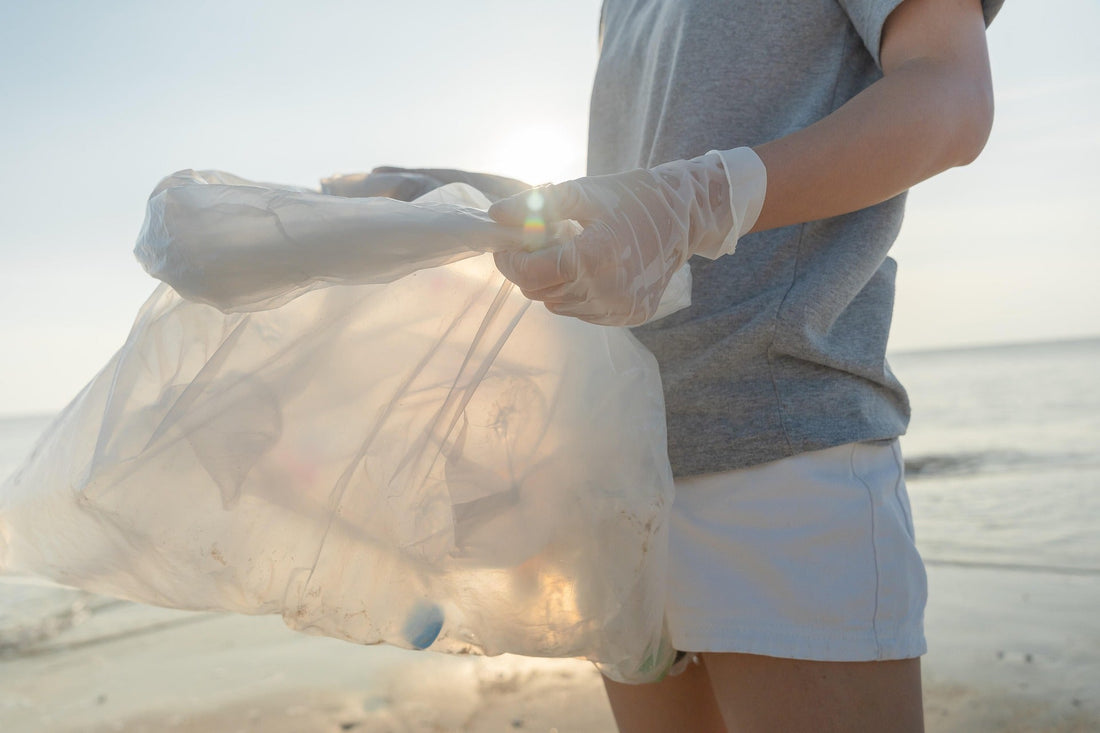
And even after purchase, the problem persists. Although many plastic bottles are theoretically recyclable, only a fraction are actually recycled. A significant portion ends up in general waste or in the environment, where the plastic containers break down into ever smaller microplastic particles over centuries – with consequences for soil, water, and the entire food chain. Switching from plastic bottles to more sustainable alternatives for laundry detergent can therefore make a big difference for the environment.
Not everything that looks green actually is: How to recognize greenwashing
More and more companies are advertising with "sustainable" packaging. But often this is just a clever marketing strategy, known as greenwashing. So how can you tell if packaging is truly environmentally friendly?
Paper composite packaging is frequently used, especially for detergents. From the outside, it looks like pure cardboard, but inside it's lined with a thin layer of plastic to protect the product from moisture. This mix of materials often makes recycling difficult. Such packaging, for example, doesn't belong in the paper recycling bin, but in the general waste, where it's incinerated. To be fair, it should be mentioned that the industry is now working on sustainable alternatives to these barriers.
Here's how to recognize truly sustainable cardboard packaging:
- Look for seals: The FSC seal (Forest Stewardship Council) indicates that the wood for the cardboard comes from responsibly managed forests.
- Check the material: Truly sustainable packaging consists of a single material, ideally recycled paper or cardboard. If possible, avoid packaging with internal coatings or plastic components such as spouts or lids.
- Be skeptical of vague statements: Terms like "environmentally friendly" or "green" without concrete evidence are often a sign of greenwashing. Genuine sustainability is demonstrated through certifications and clear information on the recycled content. EccoClean, for example, transparently displays its certifications on our website.
EccoClean: Consistently sustainable, inside and out
At EccoClean, we believe that true environmental protection allows no compromises. That's why we have designed not only our detergent but also its packaging to be consistently sustainable.
Our EccoClean washing sticks come in outer packaging made from 100% recyclable and FSC-certified cardboard . We completely avoid the use of plastic. This means:
- No plastic waste: The box can simply be disposed of with waste paper and is fully recycled.
- No microplastics: Since there are no plastic parts present, no secondary microplastics can be created through the decomposition of the packaging.
- Single-material and recyclable: Our packaging is a clear commitment to the circular economy and makes it easy for you to do your part for environmental protection.
Even the small paper sticks containing the washing powder are an innovation: they dissolve completely in water within seconds and leave no residue. This allows us to combine maximum convenience with a minimal ecological footprint.
9 tips for less packaging waste in the household
Sustainability always starts at home. With a few simple habits, you can drastically reduce your packaging waste:
- Shop consciously: Choose products with minimal or recyclable packaging.
- Use refill stations: More and more supermarkets and drugstores are offering refill options for food and cleaning products.
3. Use reusable bags and containers: Bring your own bags for fruit and vegetables, as well as containers for cheese or sausage, when you go shopping.
4. Drink tap water: Avoid water in plastic bottles and use a reusable drinking bottle instead.
5. Choose solid products: Solid soap, solid shampoo or solid dish soap often come without any plastic packaging.
6. Avoid single-use products: Whether it's coffee cups, plastic cutlery or straws – opt for reusable alternatives.
7. Make things yourself: Make simple cleaning products, such as a vinegar cleaner, and fill them into glass bottles.
8. Separate your waste correctly: Only correctly separated waste can be recycled. Check your local regulations.
9. Repair instead of throwing away: Give products a second life instead of immediately buying new ones. Fewer new products automatically mean less packaging.
Your contribution counts more than you think
Consumer demand drives the market. Current studies show that waste reduction is the most important sustainability criterion for a majority of consumers. By choosing products in eco-friendly packaging like EccoClean's, you send a clear signal to the industry. It's a signal for less plastic, more recycling, and a cleaner future for us all. Your choice on the shelf has real power. Use it.